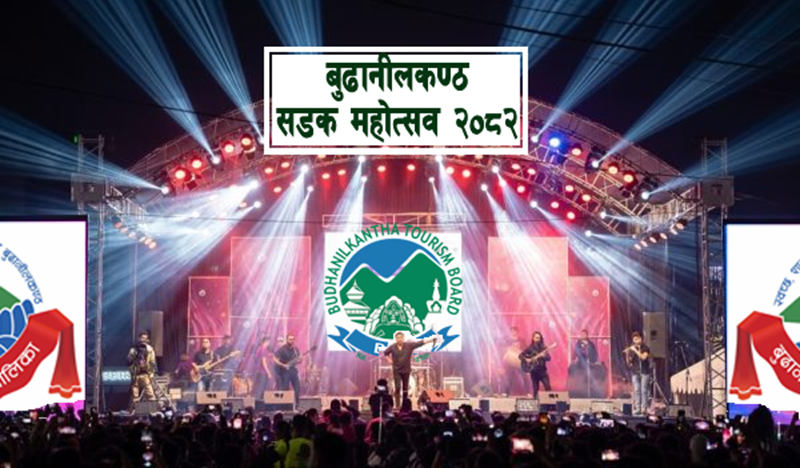
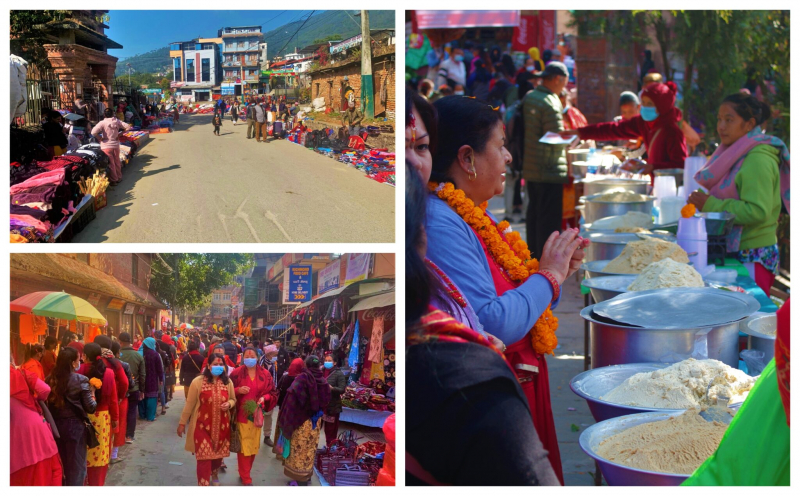
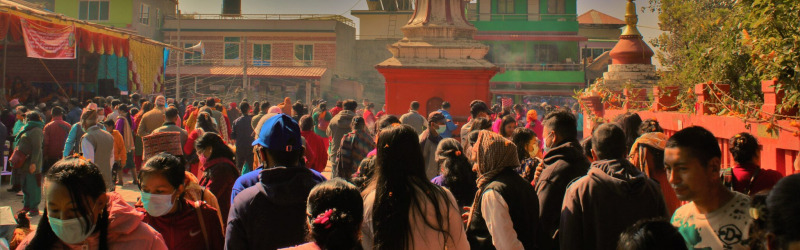
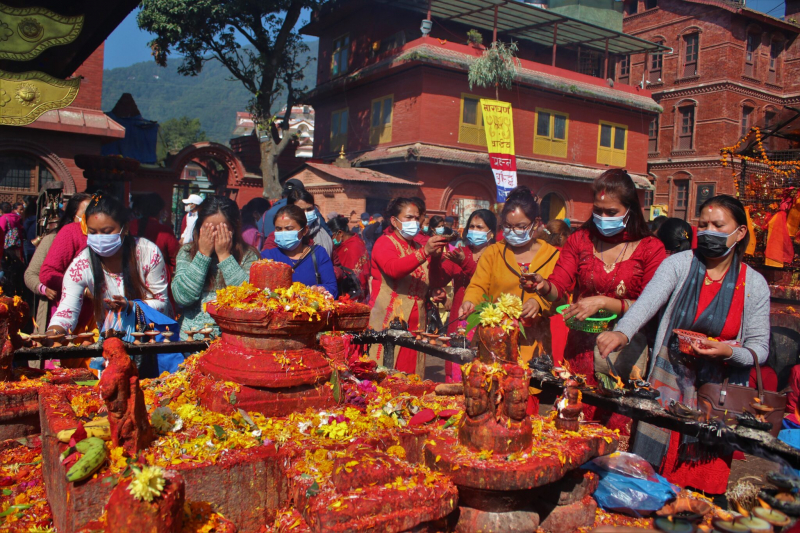
Haribodhini Ekadashi—also known as Thulo Ekadashi (the Great Ekadashi)—is the most significant annual festival celebrated at the Budhanilkantha Temple, situated at the foothills of the Shivapuri hills in northern Kathmandu, Nepal. Falling on the 11th lunar day (Ekadashi) of the bright fortnight (Shukla Paksha) in the Hindu month of Kartik (typically October or November), the festival draws hundreds of thousands of devotees from across Nepal and India.
1. Mythological and Spiritual Significance
According to Hindu scriptures, Lord Vishnu enters a four-month cosmic slumber (Yoganidra) on Harishayani Ekadashi (in Ashadh, around June/July) and awakens on Haribodhini Ekadashi. This four-month period is known as Chaturmas.
Because the centerpiece of Budhanilkantha Temple is a massive 5-meter-long, 5th-century Licchavi-era black basalt sculpture of Jalashayana Narayana (Lord Vishnu reclining on the coils of the cosmic serpent Ananta Shesha in a recessed pond representing the Kshira Sagara or Cosmic Ocean), the temple is regarded as the literal earthly abode of the sleeping and awakening Lord. Devotees believe that witnessing the deity on the day He awakens brings immense spiritual merit (punya) and liberation.
2. Major Rituals and Celebrations
The celebration at Budhanilkantha spans several days, culminating in a grand five-day fair (mela) from Haribodhini Ekadashi to Kartik Purnima (the full moon day):
• Pre-Dawn Holy Baths and Darshan: Devotees arrive as early as 2:00 AM, fasting strictly and standing in queues stretching for kilometers to offer flowers, akshata (unbroken rice), vermilion, incense, and coins to the reclining deity.
• Tulsi Vivaha (Sacred Marriage of Tulsi): On this day, devotees perform the ceremonial marriage between the sacred Tulsi (Holy Basil) plant—considered an incarnation of Goddess Lakshmi—and Shaligram (a sacred ammonite fossil stone from the Kali Gandaki River representing Lord Vishnu). Households and temple priests decorate Tulsi maths (altars) with sugarcane stalks, marigolds, and ceremonial canopies (mandaps).
• Toran Tangaune (Hanging Sacred Floral Ropes): One of the most iconic traditions across the Kathmandu Valley—and prominently observed around Budhanilkantha and the Bagmati/Vishnumati rivers—is stretching long ropes woven with dubo grass, marigolds, and sacred threads (torans) high across temple courtyards and riverbanks to honor Lord Vishnu's awakening.
• All-Night Vigils (Jaagaran) and Bhajans: Throughout the night, temple premises resonate with continuous Vedic chanting, Vishnu Sahasranama recitations, traditional bhajan-kirtan (devotional hymns), and classical Sanskrit discourses (Sanskrit Chintan).
• Sattvic Fasting (Phalahar): Observers abstain from grains, pulses, and non-vegetarian food, consuming only fruits, milk, and root vegetables such as sakharkhanda (sweet potatoes) and pindalu (taro roots), which are sold in abundance around the temple fair.
3. Cultural Harmony: The "Hari-Hara" Symbolism
A defining feature of the Budhanilkantha celebration is its reflection of Nepal’s deep religious syncretism. Although the statue depicts Lord Vishnu (Hari), the shrine is named Nilkantha—an epithet of Lord Shiva (Hara), whose throat turned blue after drinking poison during the churning of the ocean (Samudra Manthan). During Haribodhini Ekadashi, both Vaishnavite and Shaivite devotees gather together, embodying the Hari-Hara philosophy that Vishnu and Shiva are two manifestations of the same supreme reality.
4. Historic Royal Tradition
Historically, the reigning monarchs of Nepal never visited Budhanilkantha Temple due to a centuries-old legend and prophecy stating that a king who looked directly upon the reclining statue would face an untimely demise. Instead, during Haribodhini Ekadashi, the royal family would worship a smaller replica of the deity at Balaju Baisdhara (also known as Chhota Nilkantha), while the general public thronged the main shrine at Budhanilkantha.
© 2026 Budhanilkantha Tourism Board.
Powered by Budhanilkantha Municipality, Office of the Municipal Executive