Introduction
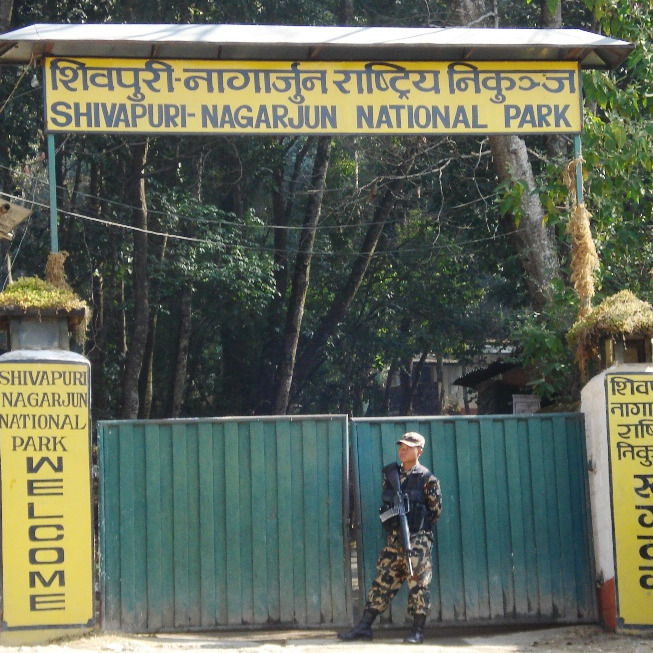
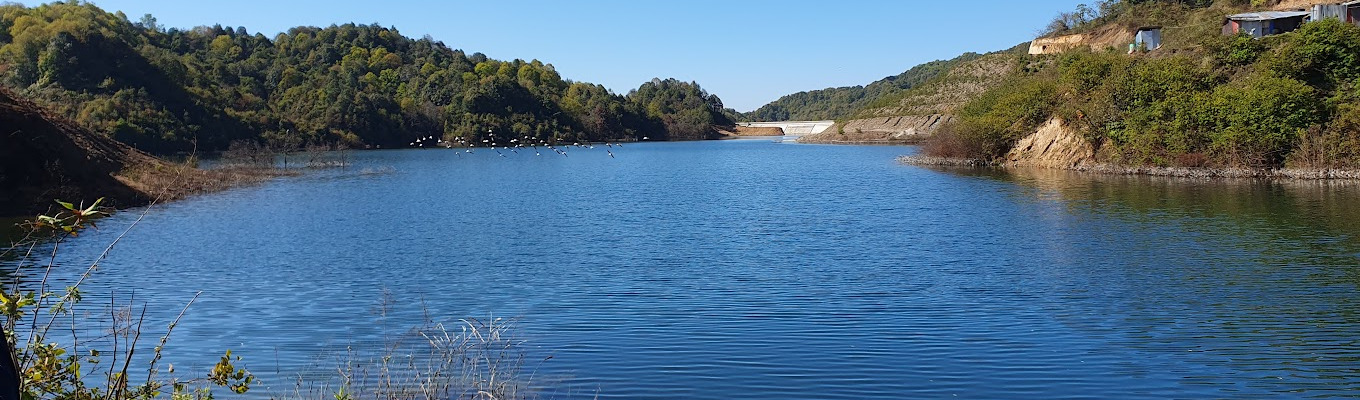
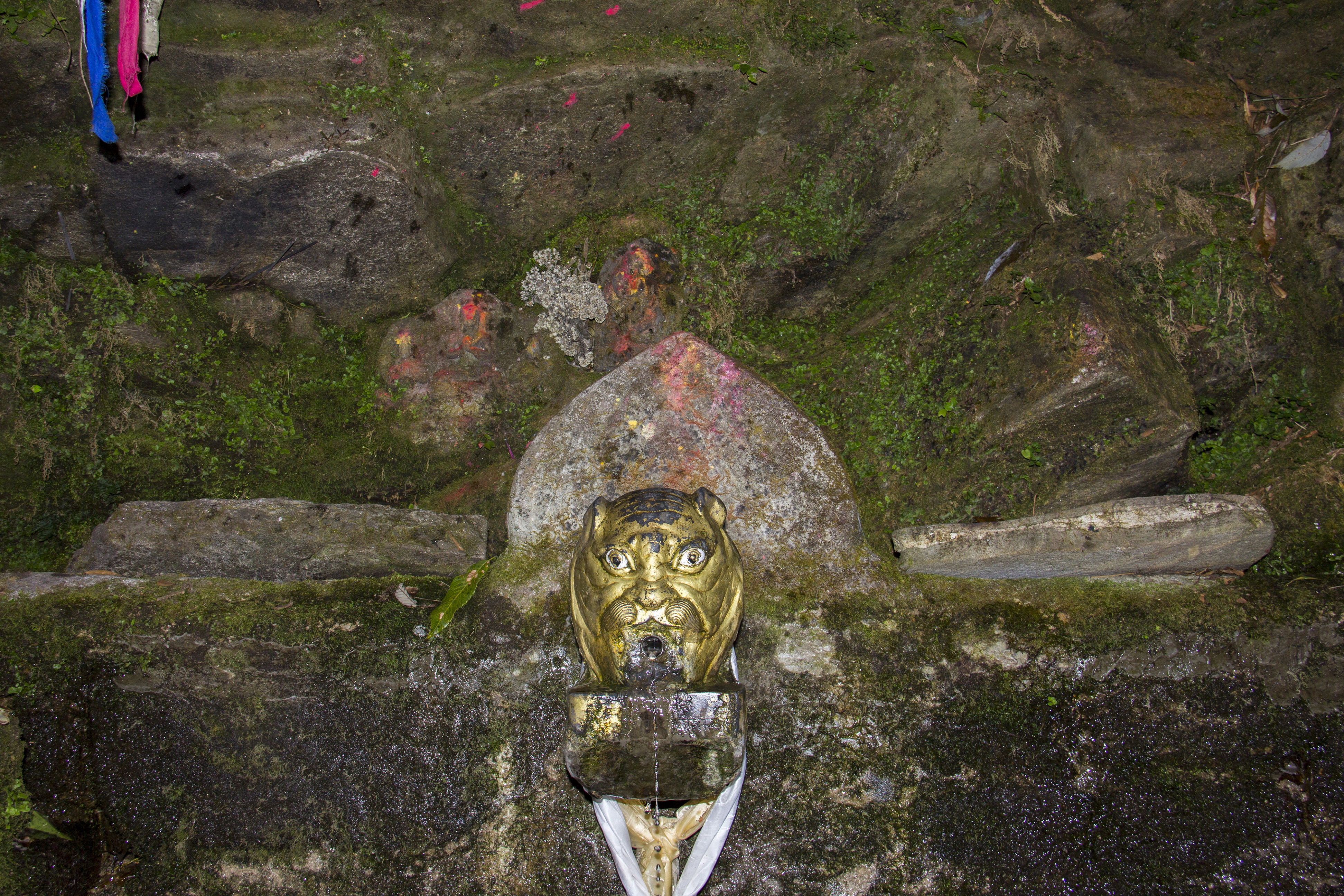
Shivapuri Nagarjun National Park is the ninth national park in Nepal and was established in 2002. It is located in the country's mid-hills on the northern fringe of the Kathmandu Valley and named after Shivapuri Peak at 2,732 m (8,963 ft) altitude. It covers an area of 159 km2 (61 sq mi) in the districts of Kathmandu, Nuwakot and Sindhupalchowk, adjoining 23 Village Development Committees. In the west, the protected area extends to the Dhading District.
Climate
The park is located in a transition zone between subtropical and temperate climates. The annual precipitation of about 1,400 mm (55 in) falls mostly from May to September, with 80% during the monsoon. Temperatures vary from 2–17 °C (36–63 °F) during the winter season, rising to 19–30 °C (66–86 °F) during the summer season.
Vegetation
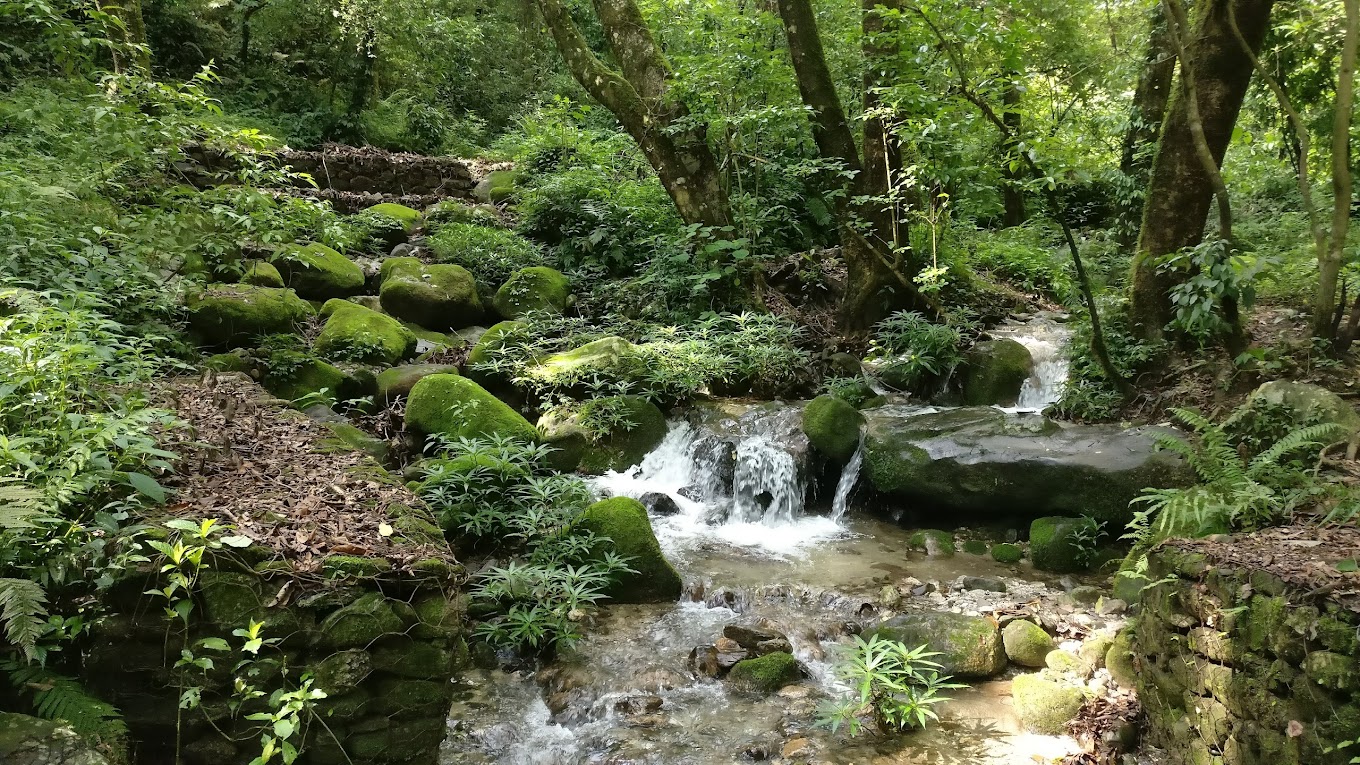
The typical vegetation of the park is middle hill forest from 1,000 to 1,800 m (3,300 to 5,900 ft) of altitude, consisting of:
In higher elevations, a variety of medicinal herbs prosper.[4] Botanists have recorded 129 species of mushrooms and 2,122 floral species, out of which 449 are vascular and 16 are endemic plants.
Fauna
Since 2002 several surveys have been carried out to determine the faunal diversity of the protected area. In a field study carried out from July 2003 to July 2004, Indian leopard, jungle cat, large Indian civet, golden jackal, Himalayan black bear, yellow-throated marten, small Indian mongoose, Himalayan goral, Indian muntjac, wild boar, rhesus monkey, Hanuman langur, Chinese pangolin, Indian crested porcupine, Royle's pika, Indian hare, orange-bellied Himalayan squirrel, fawn-colored mouse, Hodgsons's brown-toothed shrew and black rat were identified. Clouded leopard, leopard cat, masked palm civet, crab-eating mongoose, Indian pangolin, rhesus macaque and yellow-throated marten, were photographed by camera traps in 2010.
In the western part of the park, herpetologists encountered monocled cobra, Himalayan keelback, olive Oriental slender snake, yellow-bellied worm-eating snake, variegated mountain lizard, Oriental garden lizard, many-keeled grass skink, Sikkim skink, black-spined toad, long-legged cricket frog and horned frog in the summer of 2009.
Ornithologists recorded 318 species of birds including Eurasian eagle-owl, slender-billed scimitar-babbler, white-gorgeted flycatcher, barred cuckoo-dove and golden-throated barbet.
How to Get There
Shivapuri National Park is easily accessible from Kathmandu. The main gate is just north of Budhanilkantha, 7 miles (11 kilometers) north of central Kathmandu. Reach Budhanilkantha on the large green Sajha Yatayat buses that stop at Kantipath in central Kathmandu and travel on to Budhanilkantha. To save time, take a taxi there from anywhere in Kathmandu. From Thamel it will take 20–40 minutes, depending on traffic.
SOURCE
https://www.snnp.gov.np
© 2026 Budhanilkantha Tourism Board.
Powered by Budhanilkantha Municipality, Office of the Municipal Executive